Eyeing a new build in East Edmond or a custom home on acreage? If your target price might push your loan above standard limits, you want clarity on jumbo loans. These mortgages work a bit differently, and that can affect qualification, appraisals, timelines, and costs. This guide explains what counts as a jumbo in Edmond, how lenders underwrite them, what to expect with rates and fees, and how to compare offers with confidence. Let’s dive in.
What is a jumbo loan
A jumbo loan is a mortgage that exceeds the conforming loan limits set by the Federal Housing Finance Agency. Conforming loans can be purchased by Fannie Mae or Freddie Mac, while jumbos cannot. For 2024, the single-family conforming limit is $766,550 in most counties. Oklahoma County, which includes Edmond, follows this baseline limit.
You can confirm the current year’s limits on the FHFA’s official announcement. Limits are updated annually, so always check for the year you plan to buy.
Will you need a jumbo in East Edmond
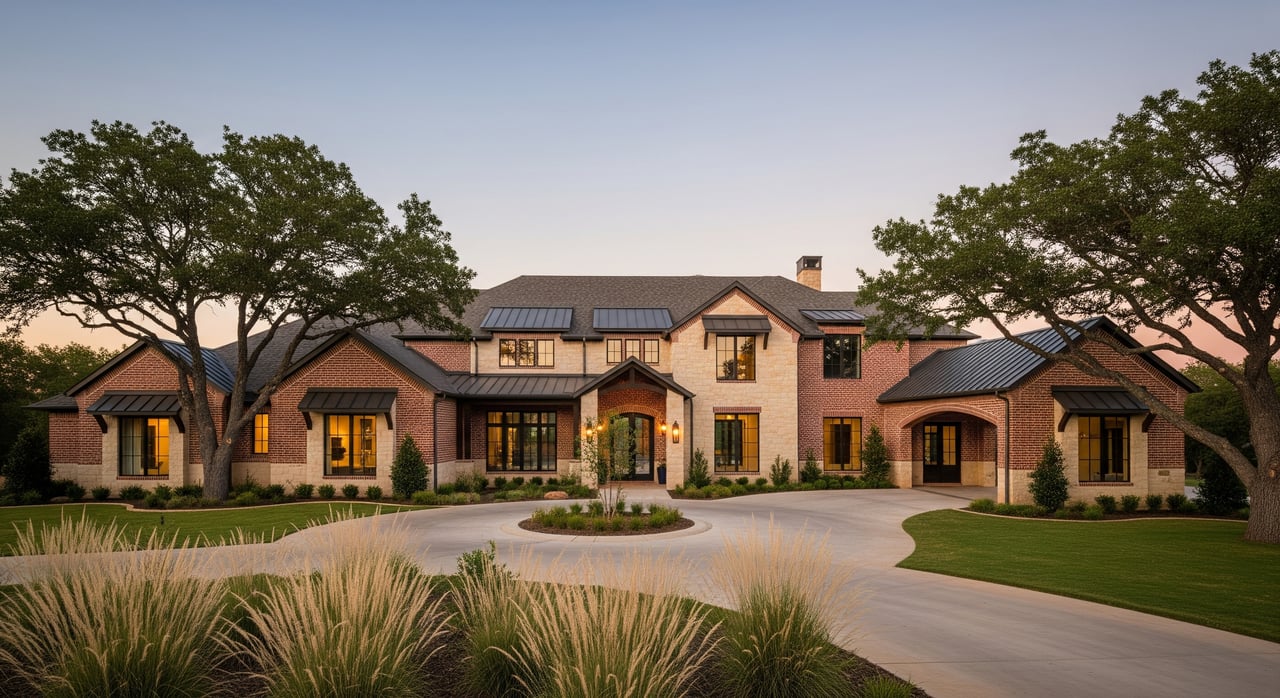
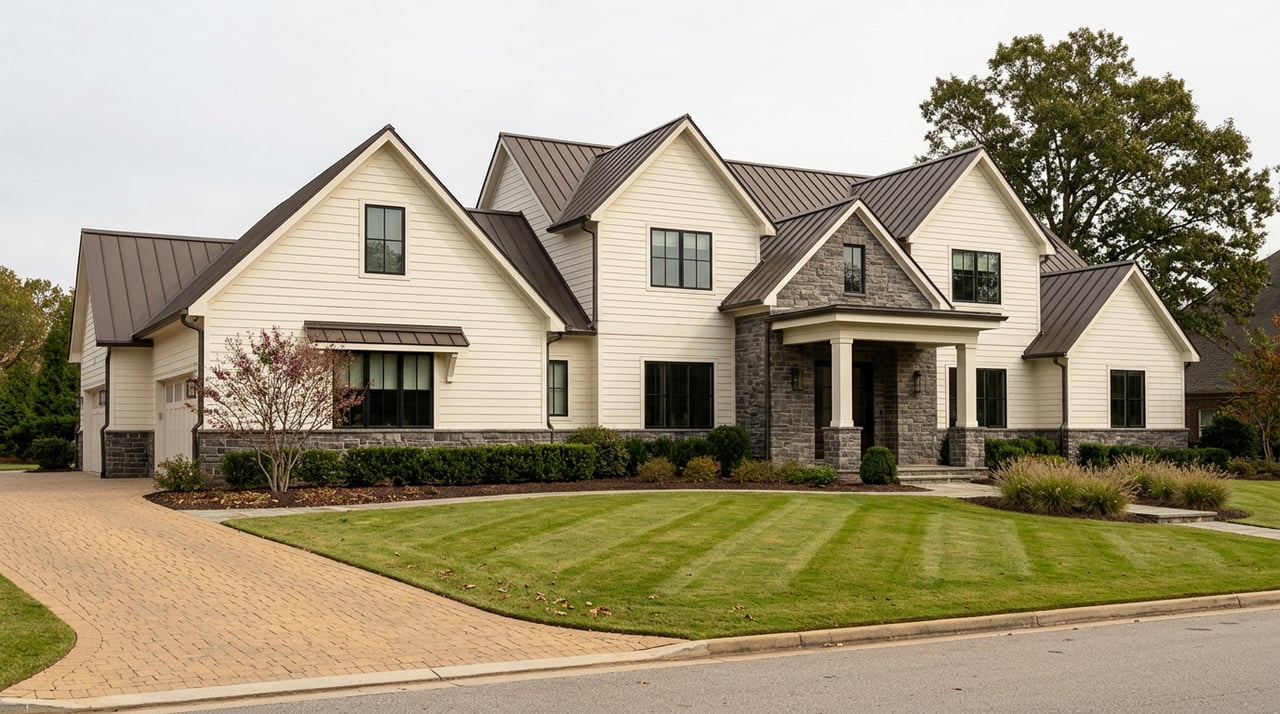
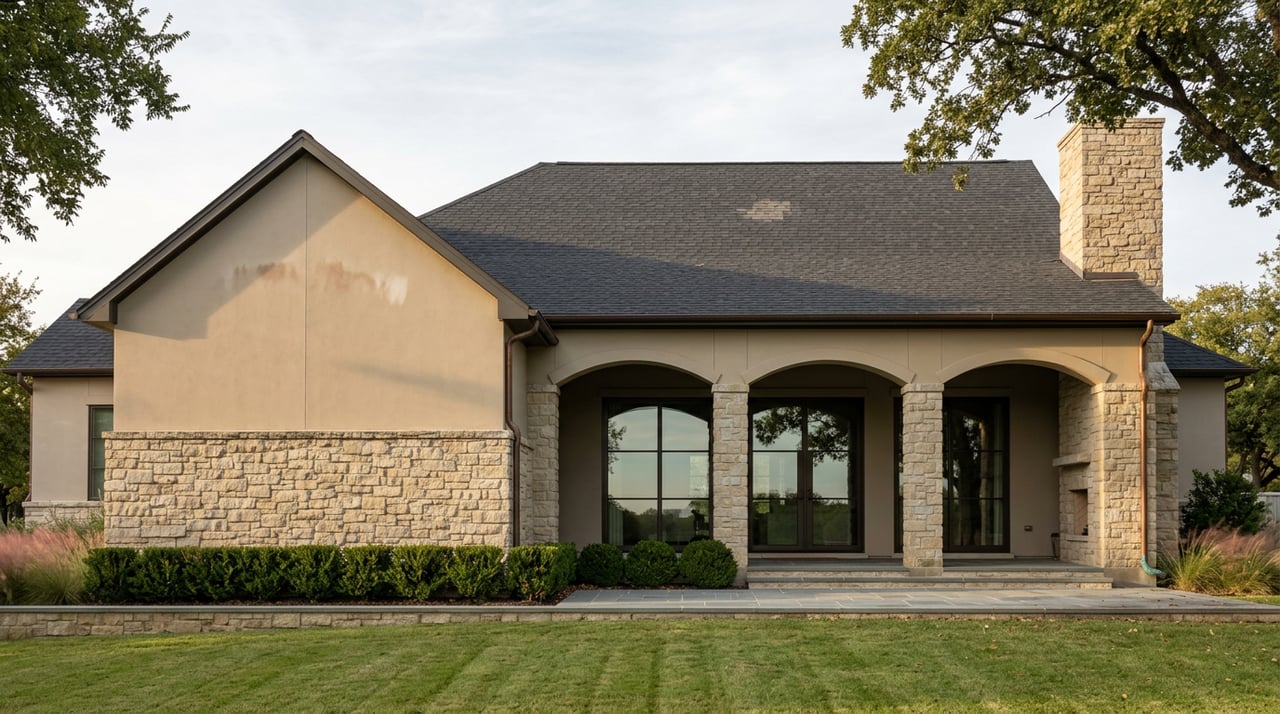
Most East Edmond single-family purchases do not require jumbo financing. That said, new construction, large-lot homes, custom builds, or high-end finishes in northern and eastern subdivisions can push prices into jumbo territory. The simplest way to know is to compare your expected loan amount to the current conforming limit.
Here is a quick framework:
- Calculate your loan amount: purchase price minus down payment.
- Compare that number to $766,550 for a single-family home in 2024.
- Example: On a $900,000 home with 20% down ($180,000), the loan is $720,000, which is conforming. With 10% down ($90,000) on the same price, the loan is $810,000, which is jumbo.
How jumbo underwriting differs
Jumbo loans usually come with tighter guidelines than conforming mortgages. Lenders want strong, well-documented files because these loans are larger and not backed by Fannie Mae or Freddie Mac.
Credit, income, and reserves
- Credit scores: Many lenders price best for mid-700s and above. Some allow lower scores with higher rates.
- Debt-to-income: Caps are often 43% to 45%, with some flexibility for strong compensating factors.
- Cash reserves: Expect to document several months of mortgage payments in liquid funds, commonly 6 to 12 months depending on your profile and down payment.
Down payment and LTV
- Primary residences often require at least 10% to 20% down. Lower down payments can be possible with certain programs, but pricing and reserves may increase.
- Some lenders ask for 20% to 30% down for best rates or for second homes and investment properties.
Documentation basics
- Full documentation is standard: two years of tax returns, two years of W-2s or 1099s, recent pay stubs, and 60 to 90 days of bank statements.
- Be ready to explain large deposits and sign tax transcript authorizations.
If you are self-employed
- Lenders will review business tax returns, profit-and-loss trends, and business liquidity.
- Many self-employed borrowers need stronger reserves and detailed documentation to address income variability.
Appraisals on higher-end East Edmond homes
Appraisals on jumbo purchases often involve more scrutiny, especially for unique or custom properties.
Comparables can be limited
High-end homes may not have many recent, nearby comparable sales. Appraisers may expand the search radius, adjust for lot size and finishes, or use elements of the cost approach in valuation. Some lenders order a second valuation review in thin markets.
Timing and cost considerations
Jumbo appraisals can cost more and take longer than standard assignments. Build appraisal timing into your contract deadlines and rate-lock strategy.
If the appraisal comes in low
A short appraisal can impact loan approval or require a larger down payment. Work with your agent to structure appraisal protections in your contract and to prepare for potential renegotiation.
Rates and costs on jumbos
Historically, jumbo rates were higher than conforming rates, but the gap changes over time and by lender. Borrower strength, loan size, down payment, loan type, and whether a lender keeps the loan in portfolio all influence pricing. You can follow national rate trends using the Freddie Mac Primary Mortgage Market Survey.
What to compare beyond the rate
- Interest rate vs APR: APR includes fees, which gives you a clearer total cost.
- Points and origination: Jumbos may involve more points or higher fees to access better pricing.
- Rate locks: Large loans can be sensitive to rate swings. Lock length, float-down options, and lock fees vary by lender.
- Closing costs: Appraisal, underwriting, and due-diligence fees can be higher on jumbos.
Example: quick payment comparison
Below is a simple illustration to show how loan size and a small rate change affect monthly payments. This is not a quote.
- Conforming scenario: $750,000 loan at 6.625% with 0.5 points. Estimated principal-and-interest payment about $4,800 per month. Points cost about $3,750.
- Jumbo scenario: $800,000 loan at 6.75% with 1 point. Estimated principal-and-interest payment about $5,190 per month. Points cost about $8,000.
Even small differences in rate or points can have a large dollar impact on a big loan. Use APR and total cash to close when you compare offers.
How to shop jumbo lenders
The best approach is to compare at least two to three lenders. Include one local bank or credit union and one national lender so you see different program options. Use the CFPB’s guide to Loan Estimates to request consistent quotes.
Pre-shopping moves
- Pull your credit early and address any errors.
- Set a realistic down payment target and confirm acceptable sources of funds.
- Gather income docs and bank statements so lenders can preapprove you quickly.
What to compare line by line
- Minimum credit score and the score used to price your rate.
- Minimum down payment and maximum LTV.
- Required cash reserves in months of payments.
- DTI limits and any flexibility with strong compensating factors.
- Documentation standards, especially if you are self-employed.
- Appraisal requirements, possible need for two appraisals, fees, and timelines.
- Underwriting turn times, lock length, float-down policy, and lock fees.
- Whether the lender sells or services the loan, and any prepayment penalties.
- Reputation and local experience with East Edmond properties.
Smart questions to ask lenders
- Is this a conventional jumbo, a portfolio jumbo, or a non-QM product?
- What credit score, LTV, and reserve requirements apply to the quoted rate?
- Do you allow gift funds and what documentation is required?
- What appraisal product do you require and what is a typical turnaround?
- How long can I lock the rate, and do you offer a float-down option?
- What are total estimated closing costs and the APR for this loan?
Manage risks and timelines
- Plan for appraisals. Build realistic deadlines into your contract and allow extra time if your home is unique.
- Lock strategically. Rates can move and large balances magnify the cost of a swing.
- Choose experience. Less experienced lenders may have stricter overlays or slower underwriting, which can put your closing at risk.
Your next step in East Edmond
If your target price or neighborhood may require a loan above the conforming limit, start early. Get clear on down payment, reserves, and documentation. Then compare two to three lenders using consistent Loan Estimates so you can make a confident choice.
If you want a local strategy session tailored to East Edmond neighborhoods, connect with Laura Lechtenberg. We can map price points by area, talk through appraisal and timing considerations, and introduce vetted jumbo loan officers who work in Edmond every week.
FAQs
What is the 2024 jumbo cutoff for Edmond, OK
- For a single-family home in 2024, a loan amount above $766,550 is generally considered jumbo in Oklahoma County.
How much down payment do I need for a jumbo in East Edmond
- Many lenders want 10% to 20% down for a primary residence, and some require 20% to 30% for best pricing or for second homes and investments.
How do jumbo mortgage rates compare to conforming rates
- The spread changes over time and by lender; strong borrowers can sometimes secure rates close to conforming, but fees and lock policies may differ.
What should I expect from a jumbo appraisal in Edmond
- Expect a full interior and exterior appraisal, possible expanded search for comparables, and potentially longer timelines and higher fees than standard appraisals.
How can I compare jumbo offers from different lenders
- Request Loan Estimates for the same scenario and compare APR, points, total closing costs, lock terms, reserve requirements, and appraisal timelines using the CFPB’s guidance.