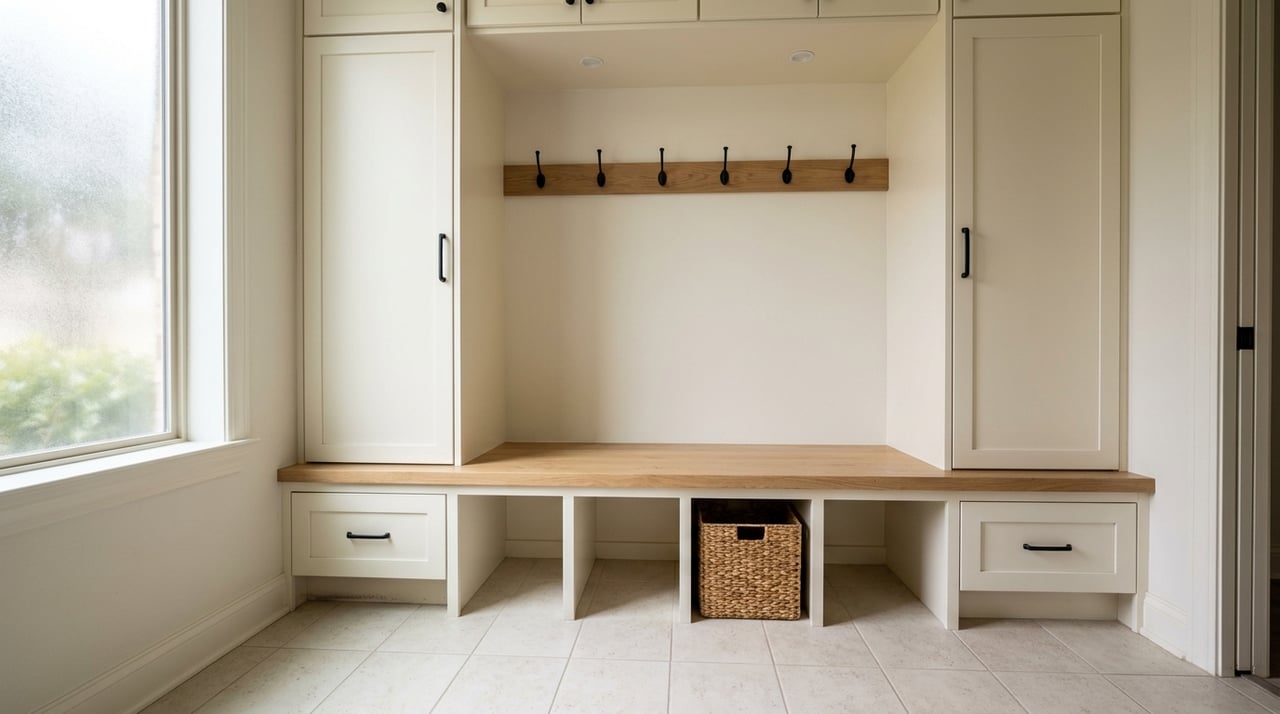
Building A Custom Home In Annecy Edmond: What To Expect
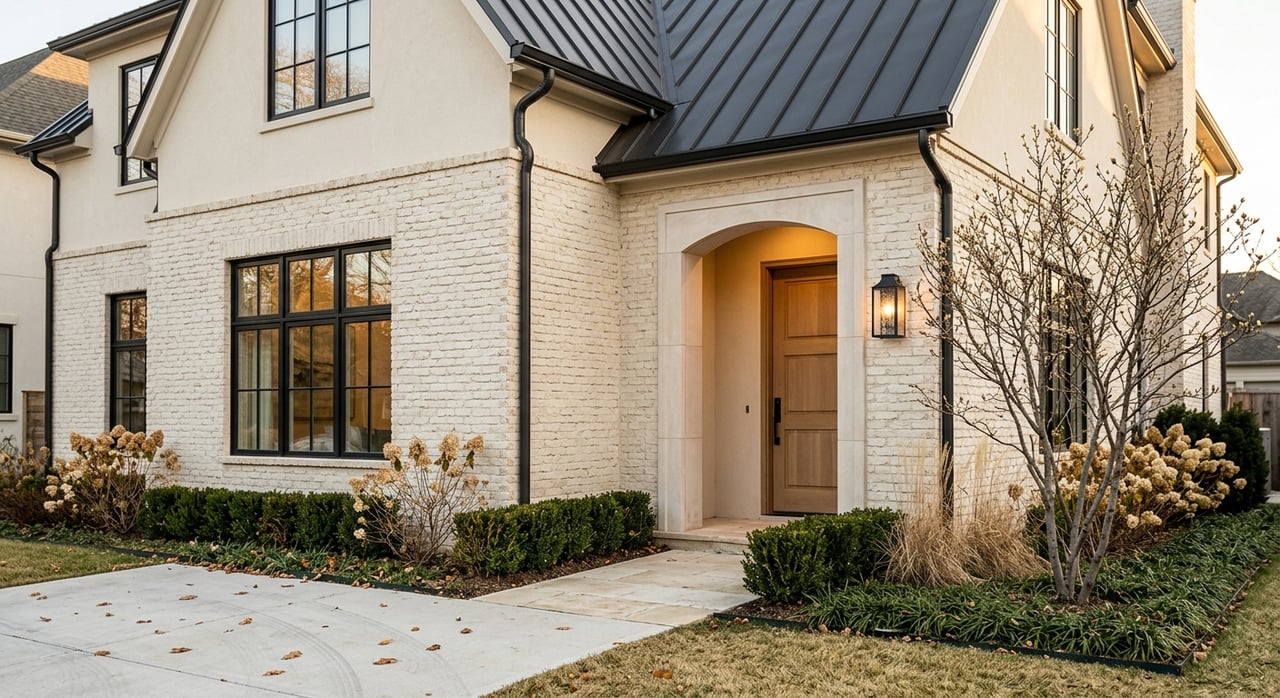
If you are thinking about building in Annecy, you are probably looking for more than just a house. You want a home that feels tailored to your lifestyle, fits your design preferences, and makes sense for the long term. The good news is that Annecy offers a distinct custom-home experience, but it also comes with decisions and timelines you should understand before you commit. Let’s walk through what to expect.
Annecy is a gated luxury community with three sections: The Lakes, The Manors, and The Villas. According to the official Annecy community site, The Lakes feature quarter-acre lots, The Manors offer third-acre lots, and The Villas have smaller lots with maintained yards and a lock-and-leave setup.
The overall feel is polished and design-forward, with tree-lined streets, landscaped common areas, and a park-and-trail focus. Community materials highlight a 16-acre park, multiple lakes, and more than a mile of walking and biking trails, which gives Annecy a lifestyle centered on shared green space rather than oversized acreage.
You may also see Annecy described as European-inspired. That is a useful shorthand, but the community’s own language leans more toward eclectic and forward-thinking than one rigid architectural style, as noted on the Annecy pages.
Before you think about floor plans or finishes, start with the section that best matches how you want to live.
The Lakes are built around quarter-acre lots and the community’s central green-space experience. If you want a custom estate feel with access to trails, lakes, and landscaped surroundings, this is a strong place to begin.
The Lakes also have annual HOA dues of $1,300, based on the official community details.
The Manors offer larger third-acre lots and annual HOA dues of $1,950. For buyers who want a bit more homesite size within the same luxury community, this section may be the better fit.
Like The Lakes, The Manors are listed as being built exclusively by Bill Roberts Custom Homes through the community materials on Annecy’s website.
The Villas are designed for buyers who want a smaller lot with maintained yards and more of a lock-and-leave lifestyle. HOA dues are listed at $3,400 annually, and community pages also mention a future clubhouse and pool timing tied to 2026, so amenities and availability should be treated as live and subject to change based on current inventory.
If lower exterior maintenance matters to you, The Villas may be the most practical choice. The Villas section also notes that homeowners may work with the design specialist or an outside designer or architect, with final approval required before construction begins.
One of the biggest differences in Annecy is that you are not shopping a long list of in-community builders. The Annecy materials identify Bill Roberts Custom Homes as the exclusive builder for the community sections discussed on the official pages.
That changes how you should evaluate the opportunity. Instead of comparing multiple builders inside Annecy, focus on the builder’s design process, communication style, allowances, customization options, and how revisions are handled during the build.
A custom build in Annecy usually starts long before construction begins. Your early decisions can shape budget, design flexibility, and resale appeal.
First, you will choose a lot and confirm that the section, homesite, and community rules fit your goals. This is the stage to review HOA dues, CC&Rs, design-approval requirements, and whether the property falls under Oklahoma City jurisdiction, since official Annecy pages place the community on the edge of Oklahoma City.
That jurisdiction question matters because permit requirements can vary based on the specific lot. It is smart to verify this early rather than assume every homesite is handled the same way.
Once you are under contract, the design phase begins. Bill Roberts outlines its process as contract, permit, 3D design, finish selections, and a pre-construction meeting before major construction stages begin, according to the builder’s published build process.
This is one of the most important phases of the entire project. Many of the decisions that affect daily function and future resale happen here, before the foundation is poured.
For lots under Oklahoma City jurisdiction, the city requires a permit package that may include a site plan, floor plans, elevations and material details, foundation plans, and engineer drawings when needed. The city’s residential new construction checklist also says files should be uploaded in PDF format through the online portal.
The city requires a licensed contractor unless the owner is performing the work. That means your builder and trade partners need to be properly set up for permit submittal and city coordination.
After approvals are in place, construction moves into foundation, framing, rough-ins, insulation, interior and exterior finish work, walk-throughs, landscaping, punch list completion, and final walk-through. That sequence is reflected in the Bill Roberts custom-home process.
Inspections are part of this stage as well. The city notes that inspections can be scheduled online, by text, or through the automated phone system through the Development Center inspection process.
The current published timeline from Bill Roberts is roughly 8 to 13 months total. That includes about 1 to 2 months for pre-construction, 2 to 3 months for foundation and framing, 4 to 6 months for interior and exterior finishing, and another 1 to 2 months for final inspections and move-in, based on the builder’s custom home schedule overview.
That said, more customization can extend the schedule. Weather can also affect framing and exterior progress, so it helps to think in ranges rather than fixed dates.
Luxury buyers often focus on design first, but the biggest timeline risk is often change control.
If you decide to revise plans after permit issuance, that can create new reviews and approvals. City guidance says proposed changes must be brought to the building official immediately and may require another review, which can affect both timing and cost under the city permit guidance.
That does not mean you cannot make changes. It just means late-stage changes tend to be more expensive and slower than early planning decisions.
The city also states that certain permits may only be issued to contractors licensed in Oklahoma and registered with the city. Residential building contractors must maintain current liability and workers’ compensation coverage for permit submittal, according to the contractor and trade license requirements.
If a trade partner is not ready to work within the city’s system, that can slow momentum. In a custom project, those administrative details matter more than many buyers expect.
When you build a custom home, it is easy to get pulled toward highly personal upgrades. Some are worth it for your lifestyle alone, but if you also care about long-term marketability, a balanced approach tends to work best.
According to the NAHB’s 2024 design trends, buyers continue to value:
For higher-end homes, outdoor kitchens, fireplaces, and built-in grills become more desirable as price point rises.
The NAR 2025 Remodeling Impact Report found strong payoff and satisfaction around curb appeal and key interior spaces, including steel front doors, kitchen upgrades, and primary bedroom suites.
The NAR 2023 Outdoor Features report also showed strong cost recovery for patios, wood decks, and outdoor kitchens, while pools and fire features delivered lower recovery. In simple terms, patios and outdoor living often make easier resale sense than more specialized luxury additions.
If you want your custom home to feel personal and practical, keep your decision-making centered on a few core priorities.
The earlier you settle layout, elevation, window placement, and major finish direction, the smoother your project usually goes. Late adjustments are where schedules and budgets often start drifting.
Before construction starts, confirm CC&Rs, design approval requirements, HOA dues, and lot-specific jurisdiction. This is especially important in a community like Annecy, where section details and future phase availability may change over time.
Choose finishes and features that reflect your taste, but anchor the home in broad appeal where it matters most. Curb appeal, outdoor living, energy efficiency, storage, and a well-designed primary suite tend to age better than highly niche features.
Building a custom home is not just a construction project. It is also a real estate decision involving lot selection, approval timing, budget control, and future resale potential.
That is where a design-savvy local advisor can help you ask the right questions early, compare section options, and keep the process aligned with both your lifestyle and your long-term goals. If you are exploring Annecy and want tailored guidance on lots, timing, or what to prioritize in your build, connect with Laura Lechtenberg for a thoughtful, concierge-level consultation.
Stay up to date on the latest real estate trends.