Buying Midtown OKC Condos or Townhomes With Clarity
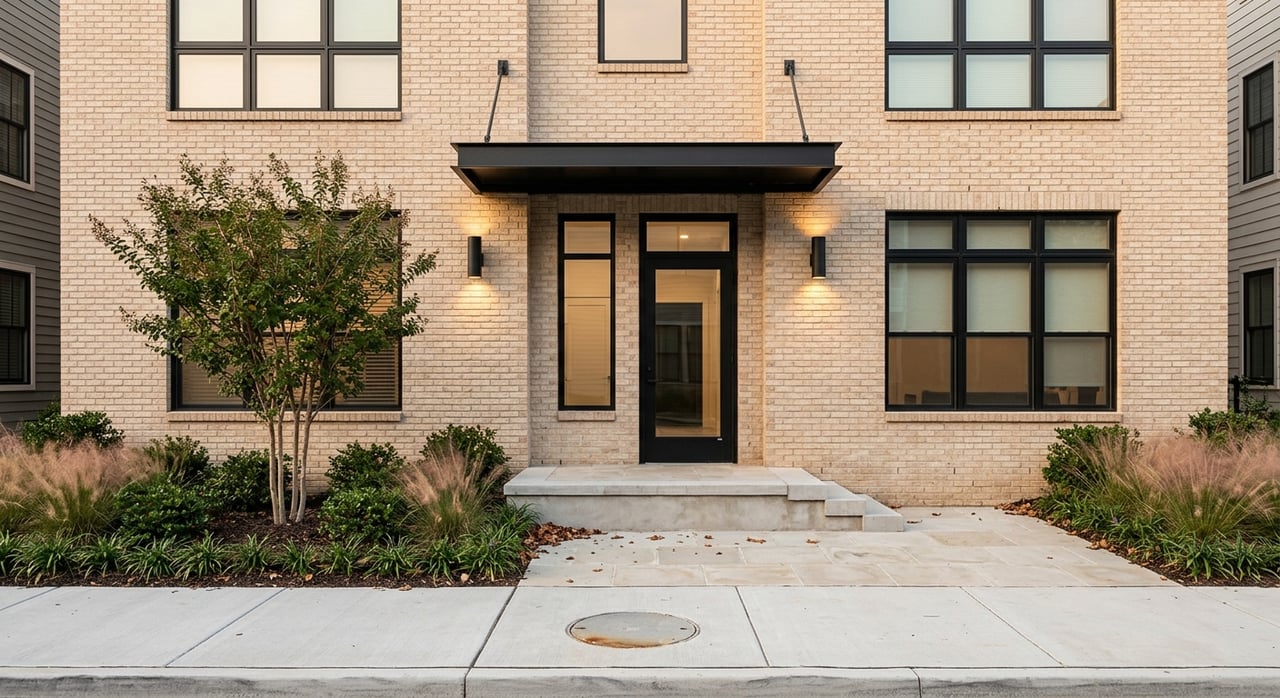
Buying in Midtown OKC can feel simple at first, until you realize a condo and a townhome may offer very different ownership, costs, and day-to-day living. If you want a home that fits your budget and your lifestyle, the label on the listing is only the starting point. This guide will help you compare condos, townhomes, and small-lot homes in Midtown so you can buy with more clarity and fewer surprises. Let’s dive in.
Midtown sits on the northern edge of downtown Oklahoma City, next to areas like Automobile Alley, Heritage Hills, and Mesta Park. According to Visit OKC’s Midtown district guide, the area blends housing with shopping, restaurants, bars, lodging, professional services, and recurring events.
That mix is a big reason buyers are drawn here. Midtown offers an urban lifestyle where your home may be close to dining, entertainment, and daily conveniences. If you want a more walkable, car-light routine, Midtown often belongs on your shortlist.
The 2025 Downtown Home Tour overview also highlighted Midtown as part of downtown living in OKC, with homes that were a short walk from OKC Streetcar stops. For many buyers, that makes Midtown especially appealing if you want city access without relying on a long daily drive.
Before you compare finishes, square footage, or monthly payments, focus on the ownership structure. In Midtown, that is often the biggest difference between a smart purchase and a frustrating one.
With a condo, you typically own your individual unit while sharing ownership of common elements with other owners. Under Oklahoma condominium law, the unit and common elements are legally connected, and owners contribute proportionally to common expenses.
In practical terms, that means your home is tied to the health of the association. Shared areas, building systems, and major repairs do not belong to you alone, and the governing documents help determine how maintenance and costs are handled.
A townhome can look and feel more like a house, but the legal setup can vary. Under Oklahoma’s owners-association statute, some developments include separately owned lots with shared areas, rules, and assessments managed by an association.
That means the word “townhome” does not tell you enough by itself. The recorded declaration matters because it may define who handles roofs, exteriors, driveways, private streets, or other shared elements.
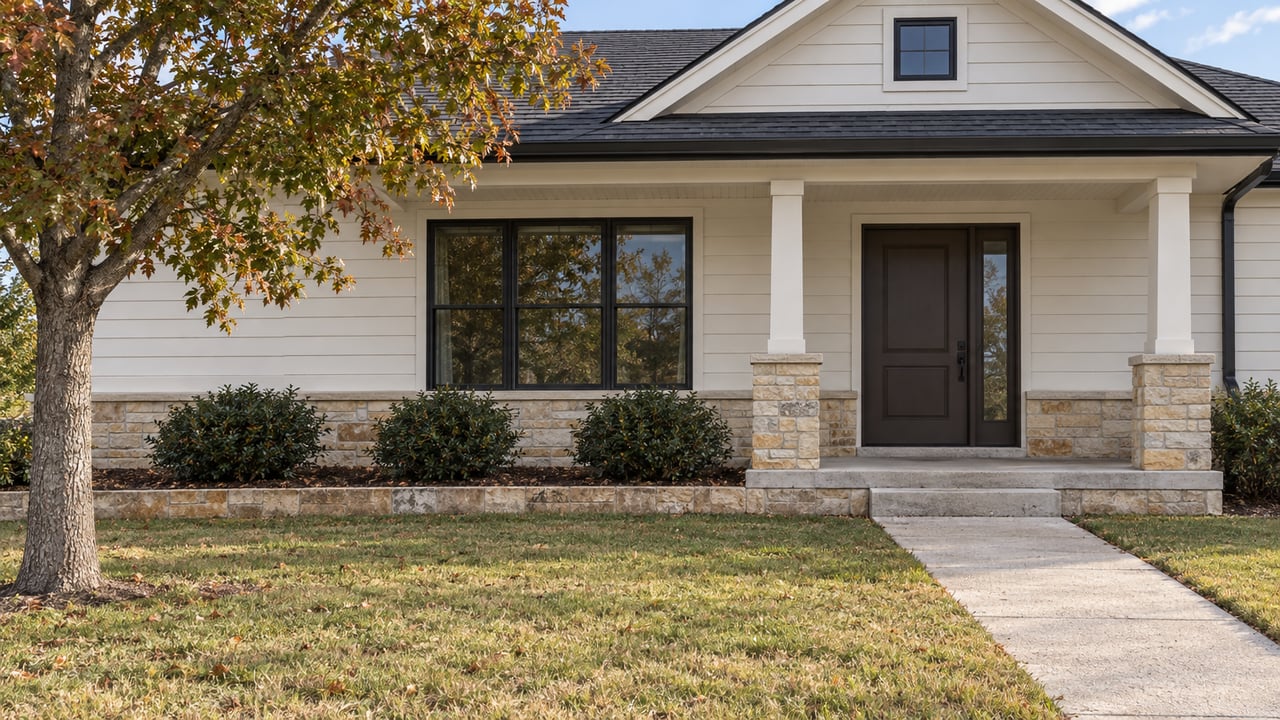
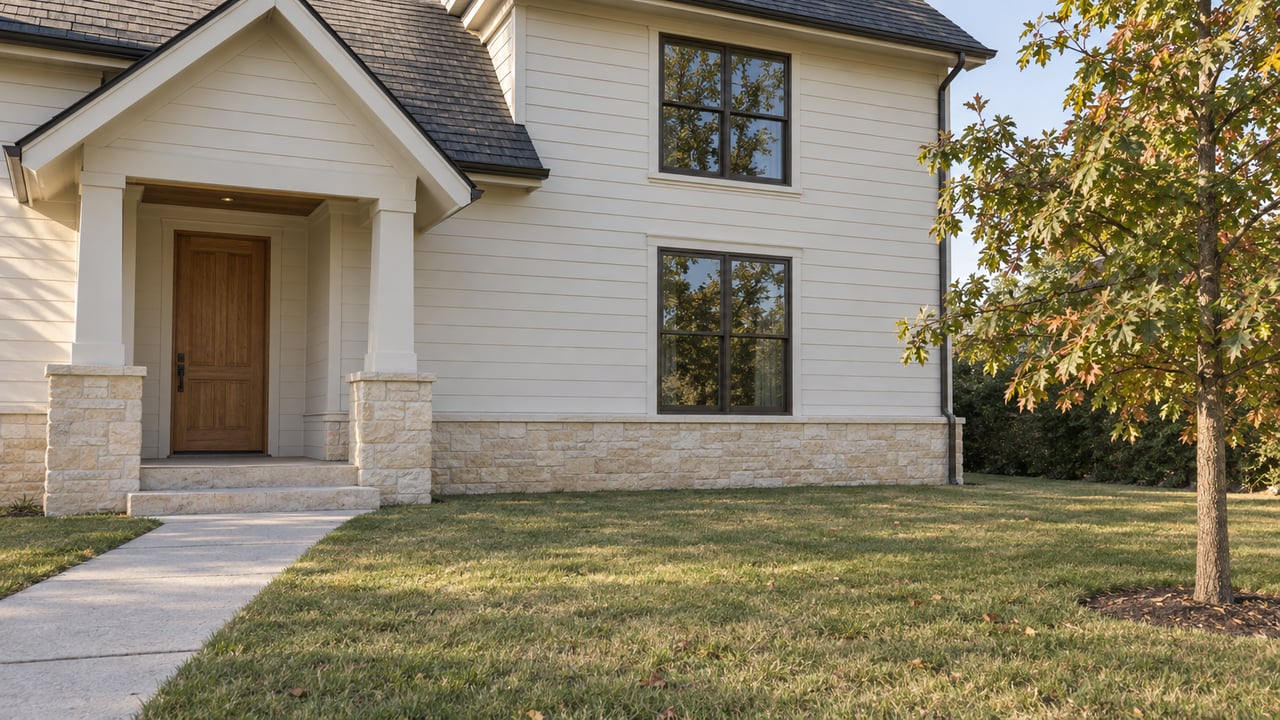
A small-lot single-family home is often the most house-like option in Midtown. Still, detached living does not automatically mean zero shared obligations.
As the Oklahoma statute makes clear, a detached home can still sit inside a recorded development with rules, shared spaces, or HOA obligations. If you are comparing a condo, townhome, and small-lot home, the closing documents matter in every case.
A smart Midtown purchase is not just about the list price. It is about your full monthly carrying cost.
According to the Consumer Financial Protection Bureau, condo fees and HOA dues are usually paid directly to the association and are typically not included in your mortgage payment. Those dues can range from a few hundred dollars a month to more than $1,000 a month.
That matters in Midtown because two homes with similar prices may have very different true monthly costs. A condo with substantial dues may cost more each month than a townhome with lower assessments, even if the mortgage amounts are similar.
The CFPB also notes that condo insurance is more layered than many buyers expect. An association may carry master insurance for common areas, while you still need coverage for the interior and your belongings.
For that reason, it helps to compare homes using a full budget that includes mortgage, dues, insurance, and likely maintenance responsibilities. That side-by-side view usually makes the right option easier to spot.
Midtown is not just a map location. It is a daily rhythm. The best fit often depends on how you want your week to feel.
Parking is one of the biggest filters in Midtown. A downtown OKC parking study describes Midtown as a diverse district with nightlife, a hospital, small offices, and several residential types, and it notes that parking demand varies from block to block.
That means parking is not one-size-fits-all across Midtown. If you need dedicated parking, a garage, or easier guest access, confirm those details early rather than assuming every property offers the same setup.
Official Midtown OKC district information emphasizes the area’s restaurants, pubs, shops, public events, and neighborhood energy. If you want to be close to dining and entertainment, that can be a major advantage over more car-dependent parts of the metro.
The tradeoff is that highly walkable living can come with more shared walls, less private outdoor space, or more varied parking patterns. For some buyers, that is exactly the point. For others, it is a reason to favor a townhome or small-lot house over a condo.
If you are narrowing it down to these two options, focus on the tradeoffs that matter most in everyday life.
A condo can be a strong fit if you value lower day-to-day exterior responsibility and like the idea of shared building systems being managed under the association structure. Midtown condos may also place you closer to the most urban, walkable parts of the district.
The biggest caution is that your investment is tied to the broader project. Condition, insurance, reserves, and association management can all affect financing and future resale.
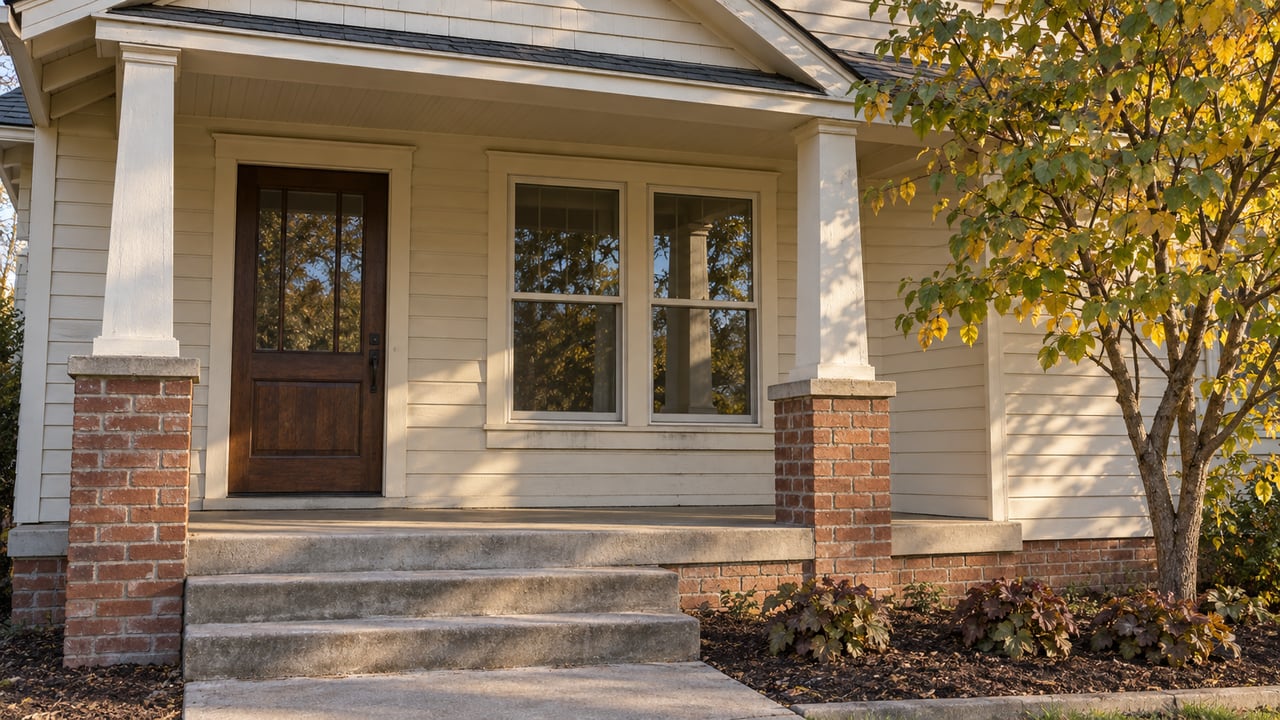
A townhome often appeals to buyers who want a more house-like layout, more distinct entry access, or a little more physical separation from neighbors. Depending on the development, you may also get clearer private ownership of certain exterior or lot features.
But this is where buyers need to slow down. Some townhomes function much more like HOA-managed communities than buyers expect, so you need to verify exactly who maintains what.
If you are buying with future resale in mind, condos deserve extra scrutiny. Fannie Mae’s condo project guidance notes that project eligibility can be affected by factors like project condition, insurance, litigation, and reserve-related issues.
In plain English, a condo is not judged only by your unit. Lenders may also review the entire project. If the project has unresolved issues, that can affect financing options and possibly narrow the future buyer pool too.
Townhomes and small-lot homes can still involve HOA review, but condo financing tends to be more project-sensitive. If resale flexibility is one of your top priorities, this is worth discussing early in your search.
When you compare properties in Midtown, keep your decision grounded in a few practical questions:
Under Oklahoma law, the title company must provide recorded covenants and restrictions to the buyer at closing for covered association properties, which makes those documents a required part of your due diligence. If a home is in an HOA-managed development, do not skip that review.
Sometimes the best way to decide on Midtown is to compare it with nearby urban neighborhoods. The research suggests a few natural alternatives depending on the lifestyle you want.
Deep Deuce is described as a vibrant urban neighborhood with many apartments and condominiums. Automobile Alley offers a walkable shopping and dining environment, while Bricktown is strongly tied to entertainment and nightlife. North of Midtown, Heritage Hills and Mesta Park are known for tree-lined streets and beautiful homes.
Those comparisons can help you calibrate your priorities. If you want the center of an active urban routine, Midtown may feel just right. If you want a similar location with a different housing mix or street feel, a nearby district may give you a better fit.
The smartest Midtown purchase usually comes down to three questions: what do you own, how much shared maintenance are you comfortable with, and how much do parking and walkability matter to you? When you answer those clearly, the right property type often becomes much more obvious.
If you want thoughtful guidance as you compare Midtown condos, townhomes, or small-lot homes, Laura Lechtenberg offers a high-touch, design-savvy approach that helps you look beyond the listing photos and focus on the details that shape long-term value and daily life.
Stay up to date on the latest real estate trends.