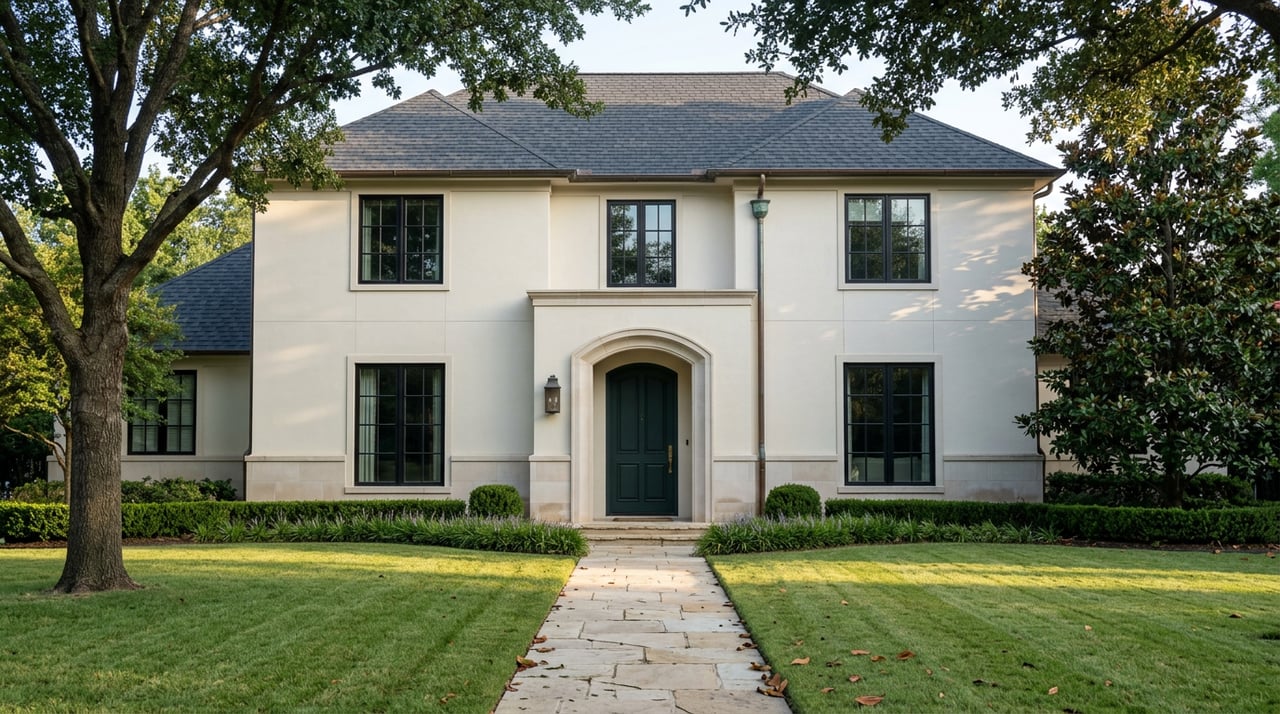
Trying to buy in Wheeler District without moving twice? You are not alone. Many buyers want the walkable, mixed‑use lifestyle but need to sell first. In this guide, you will learn how a home sale contingency works in central Oklahoma City, the tactics that strengthen your offer, and smart ways to line up both closings. Let’s dive in.
Wheeler District market snapshot
Wheeler District sits within central Oklahoma City’s urban core where new construction, condos, and townhomes can shape inventory differently than the broader metro. In some seasons sellers prefer non‑contingent offers, but acceptance of a home sale contingency depends on supply and demand. When homes sit longer, sellers are more open to well‑structured contingencies. For current conditions, your agent can review recent sales, days on market, and sale‑to‑list ratios and coordinate with the listing agent.
What a home sale contingency is
A home sale contingency lets you buy a Wheeler District property while making the purchase dependent on selling your current home. Contracts can define “sale” in two ways: contingent upon your home going under an accepted contract, or contingent upon your home fully closing. Oklahoma agents commonly use standard REALTOR forms and addenda to document these details.
Typical windows are negotiable. Many home sale contingencies range from 30 to 90 days. Inspection periods often run 7 to 14 days, and appraisals are typically scheduled and reported within 1 to 3 weeks after underwriting begins.
The kick‑out clause
A kick‑out clause allows the seller to keep marketing the home. If the seller receives another acceptable offer, they can give you a set window, often 24 to 72 hours, to remove your contingency or step aside. Agreeing to a reasonable kick‑out period can make your contingent offer more attractive.
Define “sale” clearly
Your contract should state whether the contingency is satisfied when your current home is under contract or only when it closes. It should also outline “best efforts,” such as listing the home promptly, pricing at market, and showing proof of marketing. Clear definitions reduce confusion later.
Occupancy and move‑out timing
If you need flexibility to avoid a double move, you can negotiate occupancy details in writing. Addenda can address rent‑backs, exact move‑out dates, insurance requirements, and responsibilities for maintenance or damage. Work with your agent and a real estate attorney for wording that fits your situation.
Make your contingent offer competitive
You can balance the seller’s need for certainty with your need for time. Consider these strategies:
- Shorten the contingency window to 30 to 45 days if feasible.
- Agree to a 48 to 72 hour kick‑out period.
- Provide proof your current home is market‑ready: professional photos, active MLS listing, showing schedule, and open house plans.
- Include a strong pre‑approval letter and note any bridge or equity financing options that reduce risk for the seller.
- Increase earnest money within local escrow norms to show commitment.
- Offer a flexible closing date and consider covering reasonable seller logistics costs where appropriate.
- Address occupancy early. If timing is tight, discuss a rent‑back or coordinated move dates so everyone has clarity.
Financial options that reduce risk
Bridge loan or swing loan
A bridge loan can let you purchase before your sale closes. This can strengthen your offer but may involve higher rates, fees, and underwriting, as well as sufficient equity. Pre‑qualification shows the seller you have a fallback if your sale runs long.
HELOC or home equity loan
If you have equity, a HELOC or home equity loan on your current home can free funds for a down payment. You still need lender approval, and terms vary by product.
Cash reserves or committed long‑term financing
If you can document reserves or a plan for a cash‑out refinance after both closings, it can add confidence. The goal is to show the seller you can perform even if your sale timeline shifts.
Refundable down payment terms
Some buyers negotiate that a contingent down payment remains refundable if the home does not sell within the agreed window. This shifts more risk to you, so weigh it carefully with your agent.
Sample sequence and timeline
Here is a practical path many Wheeler District buyers follow when they want to avoid a double move:
- Pre‑offer
- Get lender pre‑approval and, if helpful, bridge loan pre‑qualification.
- List your current home with full marketing assets ready.
- Work with your agent to draft a contingent offer with clear definitions, timelines, kick‑out language, and potential occupancy terms.
- Offer
- Submit your offer with proof of listing, showings scheduled, and a concise marketing plan.
- Keep the inspection period efficient and be ready to start due diligence immediately.
- Acceptance
- If accepted with a contingency and kick‑out clause, market your current home aggressively.
- Your agent keeps the listing agent updated on buyer activity and offers.
- Contract period
- Complete inspections, appraisal, and underwriting on the Wheeler District home.
- On your current home, push to secure a strong contract that meets your contingency terms.
- Contingency removal
- Remove the contingency by the agreed date once your home is under contract or closed, depending on the definition in your agreement.
- If timing is tight, use bridge financing or adjust occupancy to keep both transactions on track.
- Closing and occupancy
- Close on both homes and follow the written occupancy terms, including any rent‑back, deposits, and insurance requirements.
- Coordinate movers and turn‑over dates to minimize stress.
Two timing examples:
- Conservative: 60 to 90 day contingency, 10 day inspection, about 21 days for appraisal and underwriting.
- Competitive: 30 to 45 day contingency, 7 to 10 day inspection, and a bridge financing pre‑qual to reassure the seller.
Avoiding a double move
You can avoid temporary housing with planning. The most common solutions include coordinated closings on the same day or week, a short seller rent‑back, or a buyer rent‑back of the new home if the seller needs time. Rent‑backs usually include daily or monthly rent, a security deposit, and a fixed move‑out date with clear responsibilities. Add insurance requirements and default remedies in the occupancy addendum.
Risk management: what to watch
From the buyer perspective:
- A kick‑out notice can force a quick decision. Removing your contingency without backup financing can be risky.
- A low appraisal can create a gap, so discuss plan B with your lender early.
- If your sale is delayed, you may face carrying two mortgages or need short‑term housing.
From the seller perspective:
- A contingent buyer can extend time to close and limit exposure to other buyers.
- Long or vague contingency windows add uncertainty. Sellers often prefer short windows with clear milestones.
Common pitfalls to avoid:
- Vague definitions of “sale” versus “under contract.”
- Weak proof of marketing on your current home.
- No clear rent‑back terms or holdover remedies when occupancy is involved.
- Lender timelines that do not match the contingency window.
Best practices:
- Use explicit, time‑bound language for triggers and removals.
- Align lender timing with contract dates before submitting your offer.
- If you are the seller, consider backup offers and a kick‑out clause; if you are the buyer, commit to an aggressive marketing plan.
- Consult a real estate attorney for custom occupancy agreements and contract interpretation.
What to prepare
Documents and proof:
- Lender pre‑approval and, if applicable, bridge loan pre‑qualification.
- MLS listing confirmation for your current home, plus professional photos and floor plan.
- A written marketing plan and showing schedule.
Key contract terms to negotiate:
- Contingency window length and the definition of “sale.”
- Kick‑out clause period, often 48 to 72 hours.
- Earnest money amount and timing.
- Inspection and appraisal timelines.
- Rent‑back and occupancy details, including deposits, insurance, and move‑out dates.
People to involve:
- A buyer’s agent who knows Wheeler District and central OKC.
- A local lender who understands bridge and equity products and appraisal timing.
- The listing agent on your target home to gauge seller flexibility.
- A real estate attorney for occupancy and custom addenda.
Contingency management:
- Update the listing agent weekly on showings and offers for your current home.
- Respond quickly to any kick‑out notices.
- Keep backup financing ready in case your sale timeline slips.
Ready to move in Wheeler District?
You can buy in Wheeler District with a home sale contingency when your plan is clear, your timelines are tight, and your offer gives the seller confidence. If you want a concierge strategy that aligns marketing, financing, and contract language from day one, reach out. Schedule a consultation with Laura Lechtenberg to map your path and minimize the chance of a double move.
FAQs
In Wheeler District, will a seller accept a home sale contingency?
- It depends on supply, demand, and your offer strength; shorter windows, strong pre‑approval, proof of marketing, and a reasonable kick‑out clause increase acceptance.
How long should my home sale contingency be in central OKC?
- Many buyers negotiate 30 to 90 days, with shorter timelines viewed more favorably in competitive situations.
What is a kick‑out clause in an Oklahoma purchase contract?
- It lets the seller keep marketing and, if another offer appears, gives you a set time (often 24 to 72 hours) to remove your contingency or step aside.
How do I avoid a double move when buying in Wheeler District?
- Coordinate same‑week closings, use a rent‑back or occupancy agreement, or secure bridge financing so you can close even if your sale runs long.
What should be in a rent‑back or occupancy agreement for OKC?
- Define rent, security deposit, insurance, maintenance responsibilities, a fixed move‑out date, and what happens if someone does not perform.
What are the main risks of buying with a contingency in OKC?
- Timing mismatches, appraisal gaps, or a kick‑out notice can create pressure; a clear plan, aligned lender timelines, and precise contract language help manage these risks.