Buying And Renovating In Mesta Park And Heritage Hills
If you love the idea of a character-filled home near the heart of Oklahoma City, Mesta Park and Heritage Hills probably already have your attention. These historic neighborhoods offer architecture, walkability to nearby commercial areas, and the kind of original details that are hard to find in newer construction. If you are thinking about buying and renovating in either area, you need a clear picture of what makes them special, what the city may require, and how to plan your budget wisely. Let’s dive in.
Mesta Park and Heritage Hills are two of Oklahoma City’s best-known central-city historic districts. Both sit close to downtown and are tied to the city’s early growth, which is a big part of their appeal for buyers who want older homes with easy access to urban amenities.
City planning materials connect these neighborhoods to nearby commercial districts like NW 16th Street, the Plaza District, 23rd Street, and Paseo. That means when you buy here, you are not just choosing a house. You are also choosing a location with established streets, sidewalks, and access to some of central Oklahoma City’s most recognized destinations.
It is also worth knowing that Heritage Hills East is treated as a separate district by the city. If you are considering a property in this part of town, confirm exactly which historic district the home is in before you finalize renovation plans.
Historic designation is a big part of the buying equation in both neighborhoods. Heritage Hills was designated Oklahoma City’s first local historic district in 1969 and was listed in the National Register in 1979. Mesta Park was listed in the National Register in 1983 and zoned Historic Preservation in 1994.
For you as a buyer, that history adds value and identity, but it also shapes what you can change. The closer your renovation affects visible exterior features, the more important the city’s review process becomes.
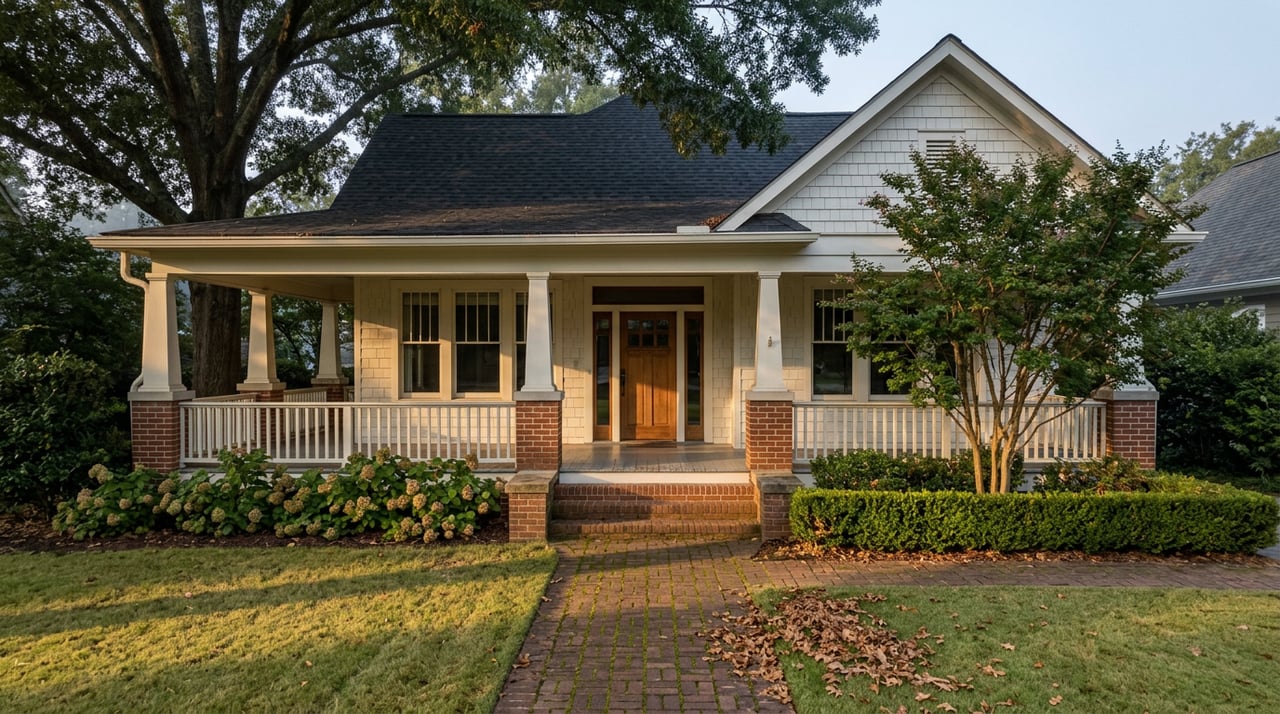
Mesta Park tends to feel more visually cohesive. Preservation records identify Colonial Revival, Bungalow, and Prairie as major styles, while city materials also point to Foursquare, Craftsman, and Arts and Crafts influences in homes built roughly from 1906 to 1930.
In practical terms, you may notice front porches, original sash windows, substantial trim, and rooflines with strong architectural character. If you are drawn to bungalows and Arts and Crafts details, Mesta Park often delivers that look in a more consistent way from block to block.
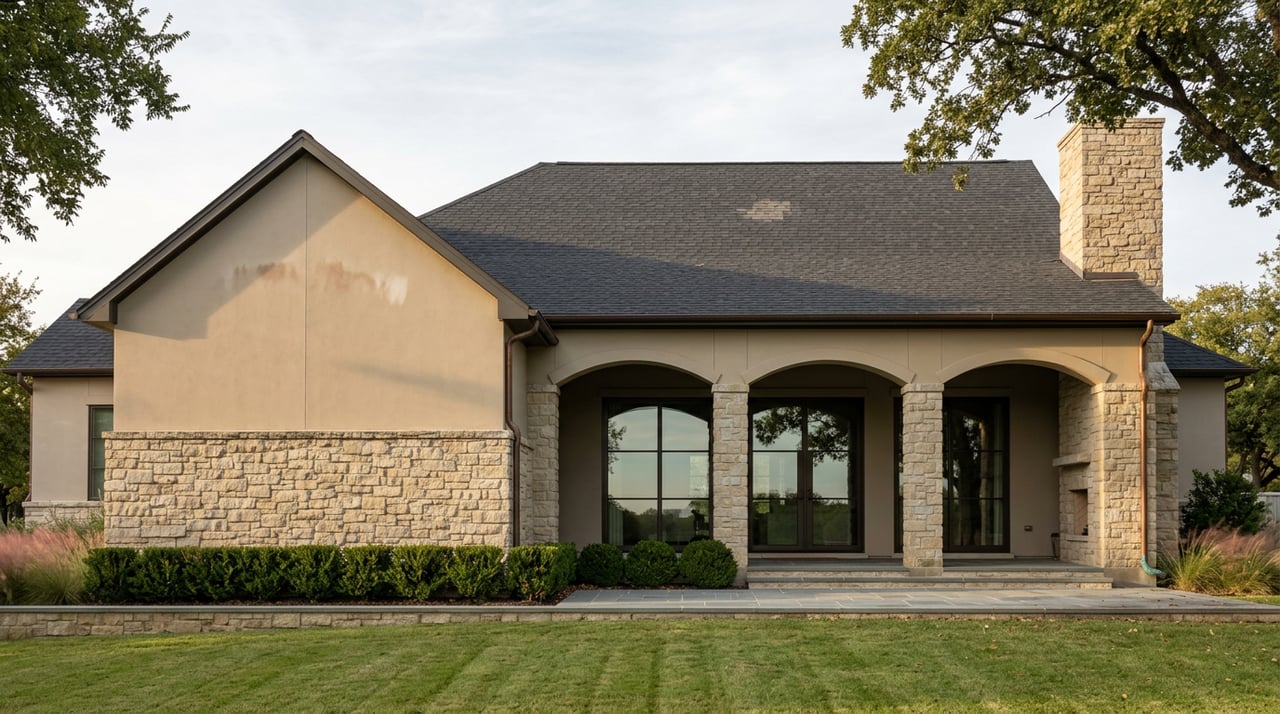
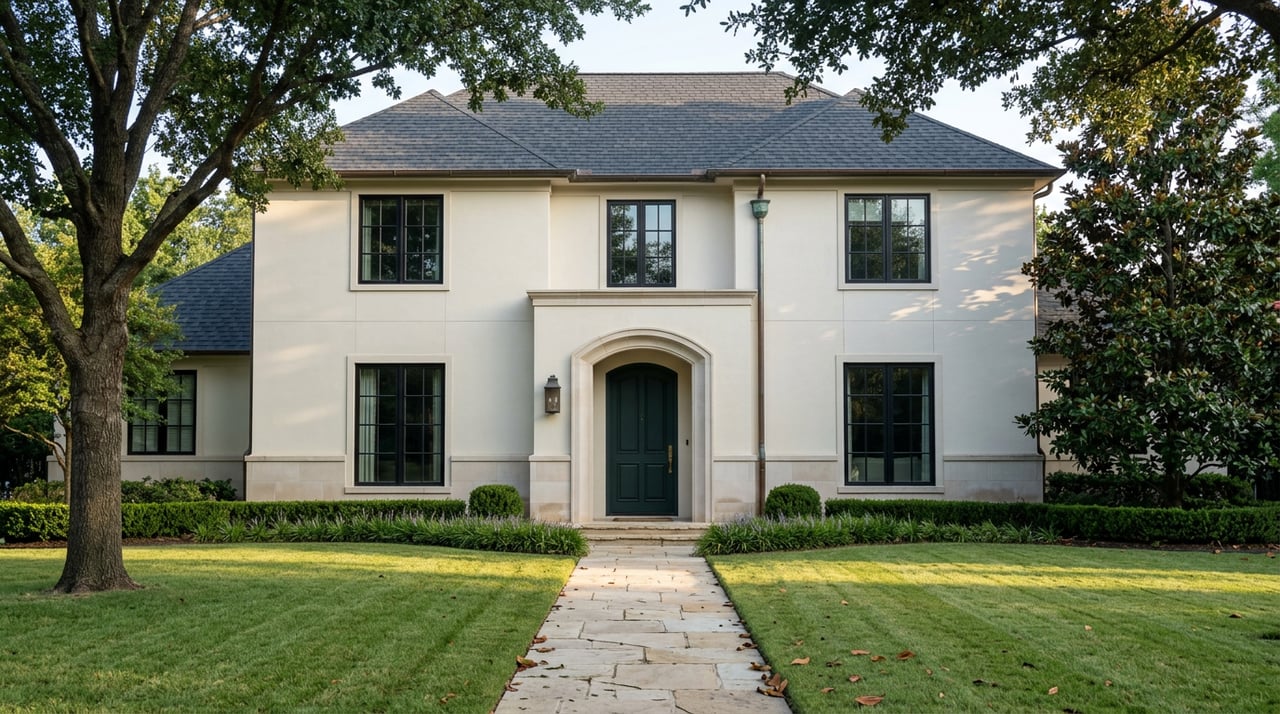
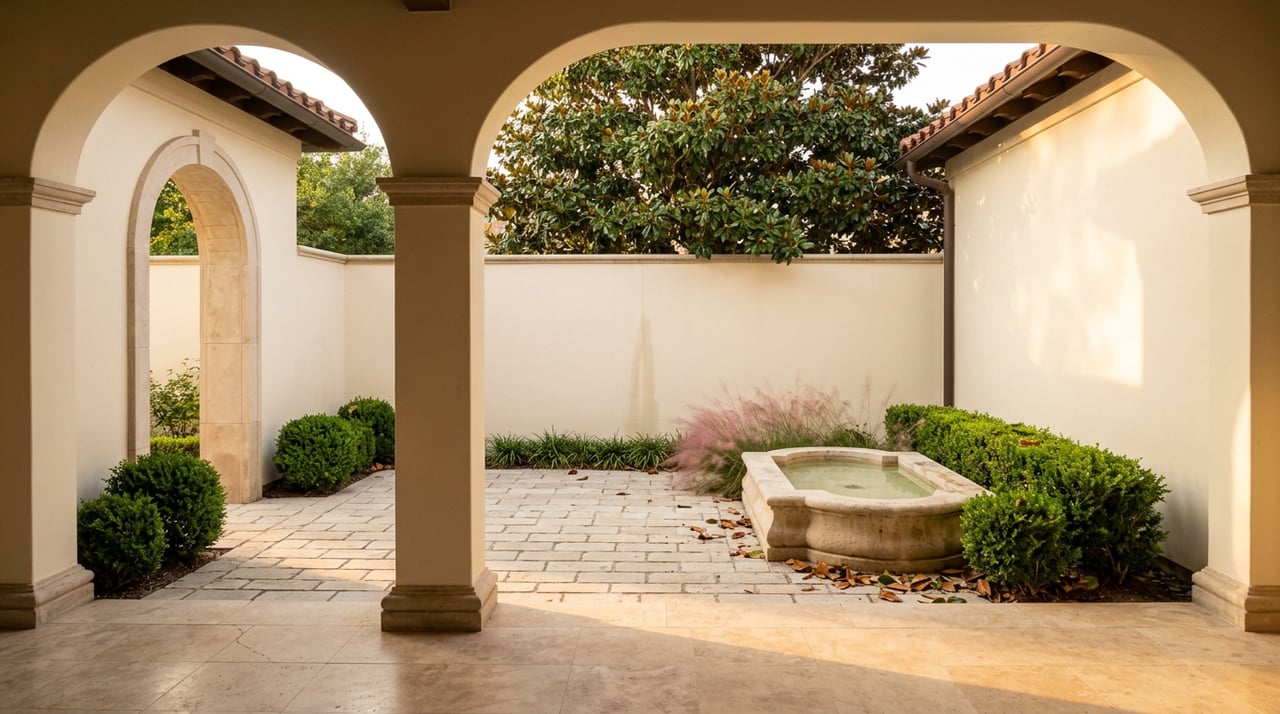
Heritage Hills is more architecturally varied. The district includes Italian Renaissance, Jacobethan, Georgian, Spanish, Craftsman, and Prairie influences, along with frame, brick, and stucco homes set among mature trees, sidewalks, parks, and boulevards.
If you want more variety and higher-style architecture, Heritage Hills may feel especially compelling. You may see expressive roofs, masonry or stucco exteriors, and detached garages or carriage-house-style outbuildings that add to the historic character.
If you are comparing the two, Mesta Park generally reads as more cohesive, while Heritage Hills feels more eclectic. That distinction can help you narrow your search based on the style of home and streetscape you want most.
This is the part many buyers underestimate. Because these are local historic districts, exterior changes are reviewed by Oklahoma City.
The city requires a Certificate of Approval or Certificate of Appropriateness for changes to buildings, demolitions, and new construction in Historic Preservation zones. Historic Preservation projects go through the Planning Department, and building permits go through Development Services.
The review process usually starts with staff determining whether a project can be handled administratively or whether it needs commission review. Even after approval, there is a mandatory 10-business-day appeal period before the certificate is issued.
Do not assume only major additions need approval. The city notes that some smaller projects can be reviewed administratively, but modest exterior work may still trigger review.
That matters when you are budgeting both time and money. A simple refresh to the front of the house may not be as simple as it would be in a non-historic neighborhood.
Oklahoma City’s preservation guidelines focus on protecting character-defining features. That usually means original elements visible from the public right-of-way receive the most attention.
Important features can include:
The city’s guidance says these features should be retained and repaired when possible. Additions are generally expected to be compatible in design and placed at the rear of the house or on less prominent elevations.
The guidelines also discourage incompatible wall materials such as vinyl, metal, and EIFS. If you are planning exterior updates, material choices matter just as much as design choices.
One detail that can catch buyers off guard is the rule on doors in Heritage Hills. While some districts may consider alternative door materials, Heritage Hills permits only wood doors.
That means a door replacement that might seem straightforward elsewhere can require a more careful and potentially more expensive decision here. If you are comparing houses that need exterior work, this is exactly the kind of detail to factor into your renovation budget early.
In many cases, yes. The city’s guidelines generally allow additions, but they need to be compatible with the existing home and are usually pushed to the rear or another less visible elevation.
That is good news if you love the location and character of an older house but want more functional living space. Still, the design approach matters. A successful addition in these neighborhoods usually respects the original structure instead of trying to overpower it.
The smartest way to budget in Mesta Park and Heritage Hills is to think preservation first, finishes second. Before you get excited about paint colors, fixtures, or a dream kitchen, focus on the building envelope and the historic fabric.
That often means prioritizing:
This approach lines up with the city’s preservation guidance, which repeatedly emphasizes retaining original windows and doors, preserving porches, and making additions compatible rather than transformative.
Windows are a great example. It is easy to assume replacement is faster or cheaper, but that is not always true in a historic district.
The decision to repair or replace should be based on the condition of the window, how important it is to the building, and whether repair is technically and economically feasible. In many cases, repair may be the better path for both approval and long-term character.
Older homes can carry higher repair burdens, and hidden conditions are common. A contingency reserve gives you room for surprises, design revisions, and the timing of preservation review.
If you are buying with renovation plans, this extra cushion can help you avoid turning a promising project into a stressful one. Historic homes can be deeply rewarding, but they usually respond best to a patient, well-planned approach.
If you are serious about buying and renovating in Mesta Park or Heritage Hills, your due diligence should go beyond a standard home search. You want to understand not only the house itself, but also the district rules that shape what happens next.
A smart buying process often includes:
This is where design awareness and local market guidance really matter. A home with strong bones and original details can be an exciting opportunity, but only if the renovation plan matches the property and the district standards.
If you are deciding between the two, your best fit may come down to style, scope, and comfort with complexity. Mesta Park may appeal to you if you want a neighborhood that feels more visually consistent, with strong bungalow, Prairie, and Craftsman influences.
Heritage Hills may be the better match if you are looking for a wider range of architectural styles and a more eclectic historic setting. Both offer location, character, and long-term appeal, but each calls for a thoughtful buying strategy when renovation is part of the plan.
Buying a historic home is rarely about finding the easiest property. It is about finding the right one, then approaching updates with care, clarity, and respect for what makes the home worth owning in the first place.
If you are exploring historic homes in central Oklahoma City and want design-savvy guidance on what to buy, what to budget for, and how to think through renovation potential, Laura Lechtenberg can help you navigate the process with a thoughtful, boutique approach.
Stay up to date on the latest real estate trends.