Wheeler District vs Midtown: Find Your Ideal OKC Lifestyle
Trying to choose between Wheeler District and Midtown? If you love the idea of an urban Oklahoma City lifestyle, this decision can feel exciting and a little tricky at the same time. Both areas offer a strong sense of place, but they live very differently day to day. This guide will help you compare housing, walkability, lifestyle, and long-term feel so you can decide which OKC neighborhood fits you best. Let’s dive in.
If you want a newer, master-planned neighborhood with riverfront access and an evolving community story, Wheeler District may be the better fit. If you want more established urban living with stronger walkability, dining, and streetcar access, Midtown often stands out.
That difference comes through in each district’s planning, housing mix, and mobility. Wheeler is still being built out in phases, while Midtown already functions as a mature mixed-use district with a steady flow of residents, workers, and visitors.
Wheeler District sits on the south bank of the Oklahoma River, about 1.4 miles south of the central business district. City planning documents describe it as a 150-plus-acre mixed-use riverfront neighborhood with walkable blocks, public spaces, and direct access to I-40.
This part of OKC has a fresh, intentional feel. Wheeler is still in its third phase of development, so when you buy here, you are stepping into a neighborhood with a clear long-term vision that is still unfolding.
Wheeler tends to appeal to buyers who want a neighborhood that feels curated from the ground up. The district is centered around a riverfront identity, with events and gathering spaces playing a big role in everyday life.
Its social rhythm often happens inside the neighborhood itself. The district highlights the Ferris wheel, farmers markets, night markets, fitness classes, and summer concerts as part of its lifestyle mix.
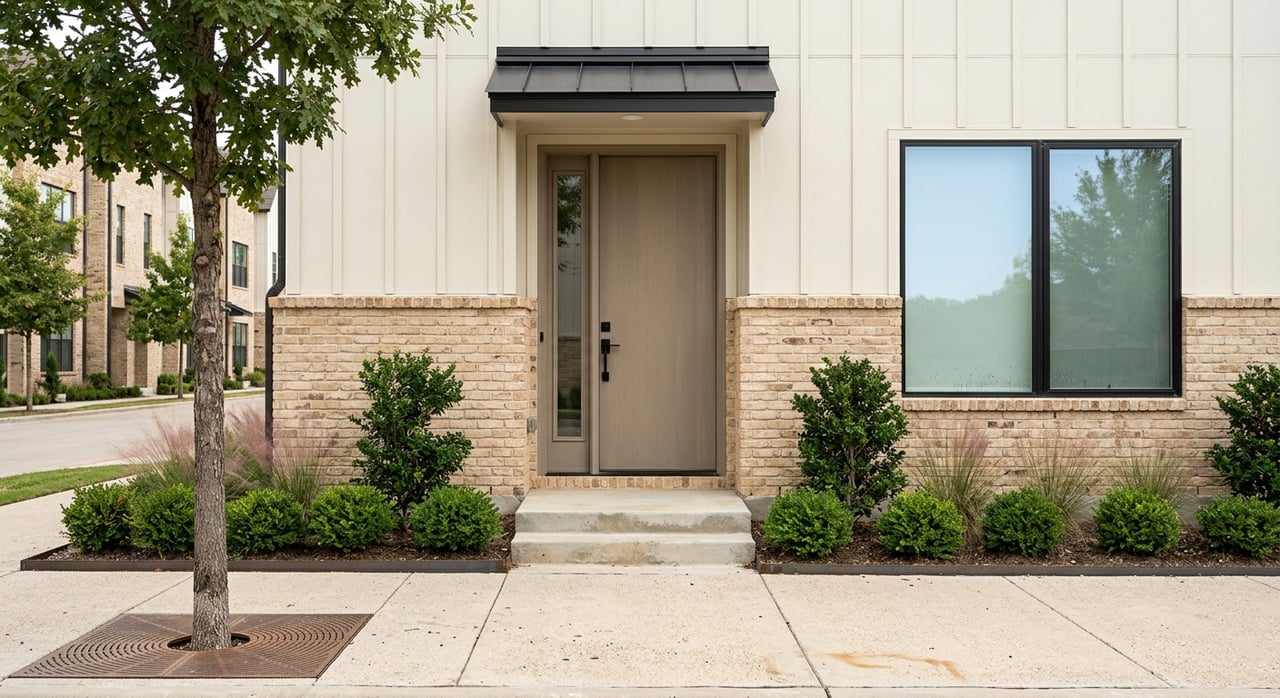
Housing in Wheeler leans heavily toward newer construction. Current inventory in the district includes single-family homes, multifamily homes, live/work shophomes, and a newer apartment addition.
Available homes have recently ranged from about $385,000 to $1.195 million. Current floor plans generally run from 2 to 5 bedrooms, and many homes feature details like geothermal HVAC, covered porches, private courtyards, and alley-loaded garages.
Midtown is located just north of downtown Oklahoma City and offers a more established urban setting. Midtown OKC describes it as a mixed-use district with shopping, restaurants, bars, housing, lodging, and professional services, with a strong focus on historic preservation and local businesses.
This is not a neighborhood waiting to become something. It is already active and well-used, with Midtown reporting about 7,400 employees, 2,000 residents, 7.2 million visits, and 1.9 million visitors in its 2025 district wrap.
Midtown tends to fit buyers who want to be in the middle of the action. It offers a denser, more plugged-in lifestyle where walking to coffee, dinner, or an evening out is part of the appeal.
The district has a lived-in urban energy that feels different from Wheeler’s newer planned environment. If you want a neighborhood that already has an established pattern of activity, Midtown often delivers that more clearly.
Midtown offers a broader range of urban housing types. Listings in the area include condos, townhomes, half-duplexes, and smaller single-family-style homes.
Recent examples have ranged from roughly $150,000 condo units to nearly $1 million luxury residences. That wider spread can give buyers more flexibility, especially if you want an urban location without committing to new-construction pricing.
One of the biggest lifestyle differences between Wheeler District and Midtown is how you move through daily life. Both neighborhoods support an urban experience, but they do it in different ways.
Wheeler promotes walkability and bikeability within the neighborhood, while Midtown offers a stronger overall car-light setup with more immediate access to businesses and transit.
Wheeler is designed to feel walkable inside the district, but many buyers will still rely on a car for some errands and daily needs. Redfin labels Wheeler as car-dependent overall, with a Walk Score of 41, Transit Score of 56, and Bike Score of 56.
That said, river and trail access are major advantages here. The Oklahoma River Trails run along both banks of the river and connect to the Boathouse District and other trail corridors, making Wheeler especially appealing if you enjoy running, biking, or spending time outdoors.
Midtown is the stronger choice if you want to do more on foot. Midtown’s own guide describes the district as especially accessible for walking, and one Midtown address at 430 NW 10th Street has a Walk Score of 88 with a two-minute walk to the Midtown streetcar stop.
Midtown also benefits from its place on the downtown streetcar loop. EMBARK’s published service schedule shows streetcar service running Monday through Thursday from 6 a.m. to midnight, Friday from 6 a.m. to 2 a.m., Saturday from 7 a.m. to 2 a.m., and Sunday from 7 a.m. to 10 p.m.
The best neighborhood for you may come down to how you picture your free time. Do you want trails, outdoor events, and a neighborhood-centered social scene? Or do you want restaurants, bars, and the ability to walk out your door and be in the middle of city life?
That is where these two districts start to separate in a very practical way.
Wheeler’s identity is closely tied to the riverfront and its own event calendar. The neighborhood’s activity centers around Spoke Street and the surrounding public spaces, where community events help shape the local vibe.
If you like the idea of staying close to home for a market, concert, or outdoor class, Wheeler offers that kind of built-in neighborhood experience. It feels social, but in a more self-contained way.
Midtown has the edge if your ideal evening includes walking to dinner, grabbing a drink, or meeting friends without moving your car. The district’s official guide highlights coffee spots, shopping, lunch, dinner, and nightlife within easy walking distance.
For many buyers, that convenience is the whole point of living in Midtown. It supports a lifestyle where your favorite places are not just nearby, but part of your regular routine.
Another important question is whether you want to buy into a neighborhood that is still growing or one that already feels complete. Neither choice is better across the board, but they can appeal to different goals.
Your comfort level with change, construction, and future development can play a real role in how happy you feel with your move.
Wheeler has a clear multi-decade vision. The city project plan describes the district as part of Oklahoma City’s larger riverfront vision, with a range of housing types, public gathering spaces, and ongoing public investment.
Phase 3 alone adds more than 50 homes and nine acres of development. For some buyers, that creates excitement and long-term potential because the neighborhood story is still being written.
Midtown is already established, so the buying decision often comes down to very specific property-level factors. Things like block, parking, building type, finishes, and distance to strong retail and transit areas may matter more than future neighborhood buildout.
Midtown also continues to improve through smaller-scale investments, such as its tree grant program focused on streetscape and walkability improvements. That points to refinement rather than reinvention.
Before you decide between Wheeler District and Midtown, it helps to think beyond style and price. The right fit usually comes from your daily habits, your comfort with urban living, and your long-term plans.
Here are a few smart questions to ask yourself:
If you are drawn to new construction, thoughtful planning, river trails, and a neighborhood with a future-focused story, Wheeler District may be your match. It offers a modern take on urban living with strong design appeal and a community-centered feel.
If you want walkability, streetcar access, dining, nightlife, and a more established in-town experience, Midtown may suit you better. It is often the stronger fit for buyers who want daily convenience and urban energy right now.
The good news is that both neighborhoods offer something distinct and compelling within central Oklahoma City. If you want help comparing homes, blocks, and lifestyle fit in Wheeler District or Midtown, Laura Lechtenberg can help you sort through the details and make a confident move.
Stay up to date on the latest real estate trends.